The Westminster Hall Marriage Laws Debate 12.3.26

The Westminster Hall debate on marriage reform highlights growing political recognition that the current system in England and Wales is outdated and no longer reflects modern expectations.
While no immediate legal changes were introduced, the discussion signals increasing momentum toward reform, with potential implications for independent celebrants.
Key points from the debate:

The current legal framework for marriage is seen as overly bureaucratic and slow, particularly the 29-day notice period, which was widely criticised as unnecessary and out of step with other countries.
There is strong support for modernising the system through digital processes, reducing administrative burdens, and making it easier for couples to marry

A significant structural shift was discussed, moving away from a system based on licensed buildings toward one based on authorised officiants. This would change the focus from where a wedding takes place to who is permitted to conduct it.
Independent celebrants were directly referenced as part of this potential reform. There is growing recognition that celebrant-led ceremonies offer personalised and meaningful experiences that many couples now prefer.

The debate acknowledged that celebrant ceremonies are not currently legally binding in England and Wales, requiring couples to also attend a registrar-led ceremony. Reform could address this by allowing celebrants to conduct legal marriages.
The debate acknowledged that celebrant ceremonies are not currently legally binding in England and Wales, requiring couples to also attend a registrar-led ceremony. Reform could address this by allowing celebrants to conduct legal marriages.

The UK is losing wedding business to countries such as Denmark and Gibraltar, where the legal process is simpler and faster.
There is an implicit comparison to Scotland, where authorised celebrants, including humanists, can legally conduct marriages. This model is being considered as a possible direction for reform in England and Wales.
What this means for independent celebrants:

The debate represents a clear shift in tone at a political level, with celebrants now part of mainstream policy discussions around marriage reform.
There is a realistic possibility that future legislation could allow independent celebrants to become authorised officiants, able to conduct legally binding ceremonies.
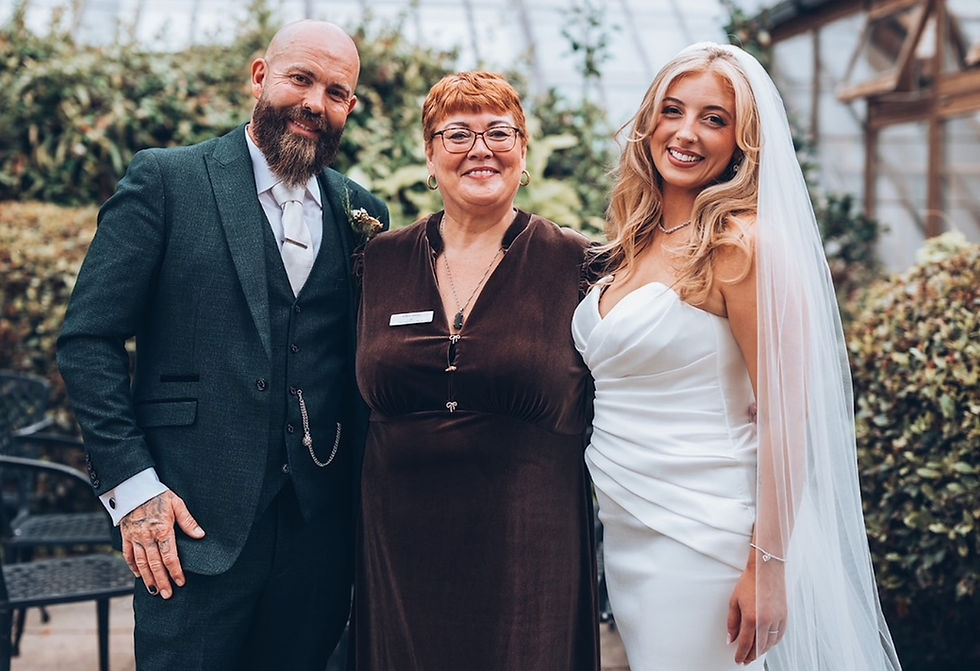
If such changes were implemented, it would significantly increase the role and value of celebrants, removing the need for a separate registrar ceremony.
However, it is important to note that no legal changes have yet been made. The debate reflects momentum and intent, but reform is still subject to government action and legislative timelines.
In summary, the discussion marks an important step toward potential reform of marriage law in England and Wales, with independent celebrants positioned as a key part of a more flexible and modern system, though any changes remain prospective at this stage.
*Recording of the Event please click here - https://www.theyworkforyou.com/whall/?id=2026-03-12a.181.1


Comments